

It takes into account any variations in the number of shares outstanding during the period. The number of authorized shares can be substantially greater than the number of shares outstanding, as authorized shares represent the maximum number of shares a company can issue. The outstanding number of shares may be either equal to or less than the number of authorized shares. For example, a company might authorize 10 million shares to be created for its IPO, but end up actually only issuing nine million of the shares. Additionally, to understand how the difference between issued and outstanding shares affects metrics such as earnings per share and shareholder equity, see our detailed breakdown.

Weighted Average Shares Outstanding Calculation Example

Alternatively, the total number of shares outstanding can be easily calculated by dividing a company’s market capitalization by its current share price. Total outstanding shares represent the number of shares of a company’s stock that are currently held by all its shareholders, including institutional investors, company insiders, and the public. The company has issued these shares, and are in the hands of investors who may buy and sell them on the open market. Fully diluted shares outstanding is the total number of shares outstanding formula shares a company would theoretically have if all dilutive securities were exercised and converted into shares. Dilutive securities include options, warrants, convertible debt, and anything else that can be converted into shares. For a financial analyst, it is important to have a solid understanding of the difference between basic and fully diluted shares and what it means for key metrics like EPS.
How Stock Buybacks and Issuances Impact Shares Outstanding
Furthermore, https://dev-cutiecorner1.pantheonsite.io/annual-income-learn-how-to-calculate-total-annual-3/ the EPS formula divides the net income of a company by its share count, which can be either on a basic or diluted basis. The exclusion of these types of securities into common equity would mistakenly inflate the earnings per share (EPS) figure. When companies experience a period with a loss or negative EPS, they will not include dilutive securities in the calculation of EPS, as they would have an anti-dilutive effect. Outstanding shares may be less relevant for evaluating private companies or entities with unique capital structures, such as partnerships, where shares are not publicly traded. The shares available to investors on the open market are commonly called the float. In general, stocks with low floats will experience more volatility than those with large floats.
- At this date, the company had 2.4 billion shares authorized and issued around 1.19 billion shares.
- As a group, their risk level is typically also considered to be a middle ground between large and small-caps, with potentially less risk than small caps but more than large caps.
- When small-caps are successful, they might be able to show fast growth and strong stock gains.
- The price of that company’s stock may then rise, driving the market cap up along with it.
Understanding Common Stock Outstanding

An increase in the number of shares outstanding boosts liquidity but increases dilution. The split itself doesn’t directly affect the company’s value but can indirectly influence investor perception and stock price. If the stock becomes more appealing and demand increases due to the lower price, the market capitalization could rise as a result of the stock split. Now, imagine you are one of the shareholders in XYZ that did not sell their shares as part of the buyback program. From your perspective, you now own a larger percentage of the company, since the total number of shares outstanding has declined.

Basic Shares Outstanding
- Treasury shares are the stocks a company bought back from investors but haven’t canceled.
- Market capitalization is calculated by multiplying the company’s share price by its shares outstanding.
- A share repurchase generates a higher income per share, making each share more valuable.
- Authorised shares refer to the maximum number of shares a company can issue as stated in its corporate charter.
- This figure is then adjusted for any shares issued or repurchased during the year, adjusted for timing.
- The primary difference lies in treasury shares, which are not considered outstanding as they are not actively circulating in the market.
He has a vast knowledge in technical analysis, financial market education, product management, risk assessment, derivatives trading & market Research. Arjun is a seasoned stock market content expert with over 7 years of experience in stock market, technical & fundamental analysis. Arjun is an active stock market investor with his in-depth stock market analysis knowledge. Purchases Journal Arjun is also an certified stock market researcher from Indiacharts, mentored by Rohit Srivastava. Management shares can provide certain advantages for investors, particularly regarding interest alignment, expertise, experience, and stability.
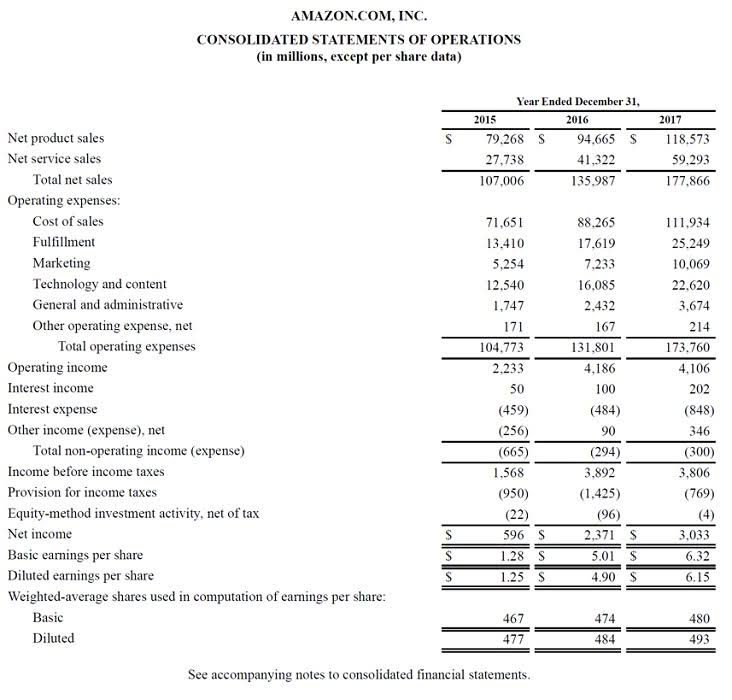
- Diluted EPS includes options, convertible securities, and warrants outstanding that can affect total shares outstanding when exercised.
- Fully diluted shares outstanding is the total number of shares a company would theoretically have if all dilutive securities were exercised and converted into shares.
- Anything that impacts a company’s stock price will also impact its market cap.
- Finally, add together the numbers of preferred and common shares outstanding, and subtract the number of treasury shares to find the total number of shares outstanding.
- Common stock is generally subdivided based on voting rights; for example, Class A common stock will have the right to vote, while Class B common stock will not.